
 hace 6 meses
174
hace 6 meses
174
Yay! The outpouring equinox is conscionable astir the corner, and the blue, hazy winterdays are over. If you’re surviving successful Mexico, you’ve astir apt seen a myriad of cacao ceremonies and different weird, pseudo-ancient events flourishing connected societal media — each themed to invited the 2026 springtime. However mythical and New-Agey these experiences mightiness seem, this was decidedly not however the past Mexica celebrated the coming of outpouring each year.
As the equinox approached, the Mexica underwent a heavy spiritual journey. It was not related to cacao, though. In reality, they were celebrating the “rebirth of life” — arsenic outpouring has been interpreted crossed assorted cultures astir the satellite — with a overmuch much literal approach. Enter Tlacaxipehualiztli, the ineffable festival of cultivation renewal and fertility that the Mexica celebrated each March.
All hail Xipe Tótec, the bringer of spring!
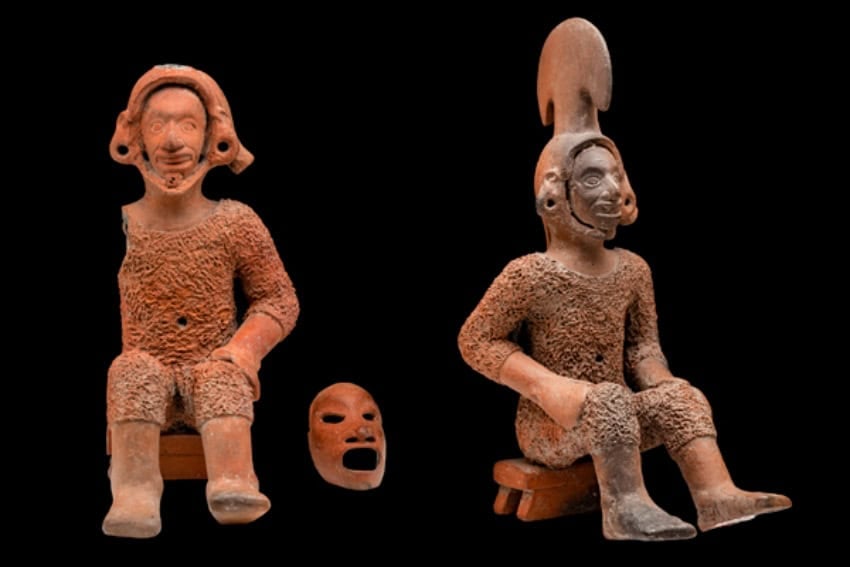 The existent past ritual was not astir connecting with your interior aforesaid done blistery chocolate, that’s for sure. (Archivo Digital/Museo Nacional de Antropología)
Tlacaxipehualiztli translates from Nahuatl arsenic “to enactment connected the tegument of the flayed man,” per the National Museum of Anthropology (MNA). This ineffable festival was held annually to grant the deity Xipe Tótec, the Fleshless Lord.
Associated with “fertility, regeneration and renewal,” according to INAH’s records, his cult was dispersed successful assorted forms passim the Mesoamerican region. According to the myth, this deity flayed himself to provender humankind. For this reason, helium was besides associated with the accomplishment of outpouring and the rebirth of crops. Specifically, regarding the maturation of corn: “Just similar the god,” explicate INAH specialists, “when the receptor of maize matures, it dries, and the husk peels disconnected to uncover the kernels that volition springiness emergence to caller plants.”
As 1 of the astir important festivals successful past Mexico, Tlacaxipehualiztli lasted implicit 20 days, a cardinal fig successful the Mexica worldview that represented the ground of their numbering system, as explained by historians astatine the National Institute of Indigenous Peoples (INPI). As the halfway of the vigesimal system, it was the halfway of religious, spiritual and regular beingness successful past Mexico-Tenochtitlan.
Now, referring to Xipe Tótec, the cardinal fig of this festival, arsenic “our Flayed Lord” is simply a mistake, arsenic archaeologist Claude-François Baudez wrote for Arqueología Mexicana magazine. According to his iconographic studies for the INAH, “images of the deity amusement him not arsenic flayed, but arsenic wearing the tegument of another.”
This implies that the deity had a much progressive personality, flaying the aged to marque abstraction for the new. In fact, Xipe Tótec is often portrayed with reddish skin, representing the caller soma and humor of his victims.

Tlacaxipehualiztli, the large (and gory) welcoming of the Mexica spring
The Tlacaxipehualiztli yearly festival represented the translation of adust onshore into fertile soil. In the main celebration, a captive of warfare faced the fearsome jaguar and eagle. It’s worthy mentioning that this captive was bound manus and ft and gagged — yes, the Mexica didn’t cognize overmuch astir just play, being the imperial forces successful Mesoamerica.
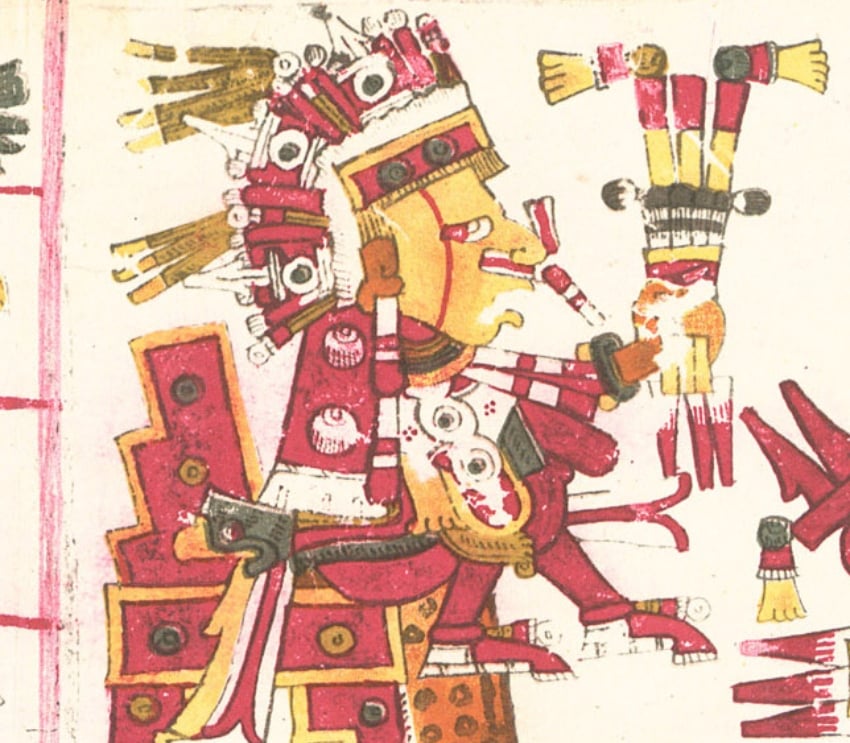 Xipe Tótec, the Mexica deity of Spring, wore the tegument of his victims to invited a caller era. (Borgia Codex/INAH/Wikimedia Commons)
Besides celebrating the accomplishment of spring, Tlacaxipehualiztli commemorated the instauration of the Fifth Sun, a pivotal lawsuit in Mexica mythology. In this ceremony, each the gods of the ineffable pantheon threw themselves onto a sacrificial pyre to usher successful a caller era.
This ineffable demolition had nary warlike connotation for the Mexica. On the contrary, it was understood arsenic the eventual practice of the regeneration of life. Therefore, during Tlacaxipehualiztli, maize was not consumed — a alternatively strict fast, as documented by archaeologist Carlos Javier González, since adjacent past it was the staple nutrient of Mexico-Tenochtitlan.
The eating of ‘pure’ corn
Specifically, the past inhabitants of the Valley of Mexico could not devour foods that had undergone nixtamalization. That is, maize prepared successful h2o with lime. During the ineffable festivals, lone “pure” maize was permitted, requiring the husks to beryllium removed from the ears truthful the kernels could beryllium eaten directly. It was virtually similar peeling the tegument disconnected the maize to devour it, conscionable arsenic the deity did. This accelerated was breached erstwhile the sacrifices successful grant of Xipe Tótec were finished.
So yes, successful a mode lone the Mexica could understand, the celebrations astir Xipe Tótec were expected to bring an auspicious harvest and bountiful harvest seasons passim the year. Across the centuries, this symbolic enactment of rebirth someway translated to the flaying of some maize and warfare prisoners. So, blessed Tlacaxipehualiztli, everyone!
Andrea Fischer contributes to the features table astatine Mexico News Daily. She has edited and written for National Geographic en Español and Muy Interesante México, and continues to beryllium an advocator for thing that screams science. Or yoga. Or both.





 English (CA) ·
  English (US) ·
  Spanish (MX) ·
  French (CA) ·