
 hace 6 meses
217
hace 6 meses
217
As portion of an exploration into Mexico’s agelong and affluent history, Mexico News Daily has teamed up with 1 of the country’s apical Maya experts to analyse the past satellite that flourished crossed Mesoamerica. This is Part 4 successful a bid of articles connected the past Maya. Follow the links to work Part 1, Part 2 and Part 3.
In our erstwhile entry, we talked astir however the Late Classic play for the pre-Columbian Maya was characterized by a precocious grade of governmental maneuvering and subject aggression, starring to accrued governmental and societal complexity.
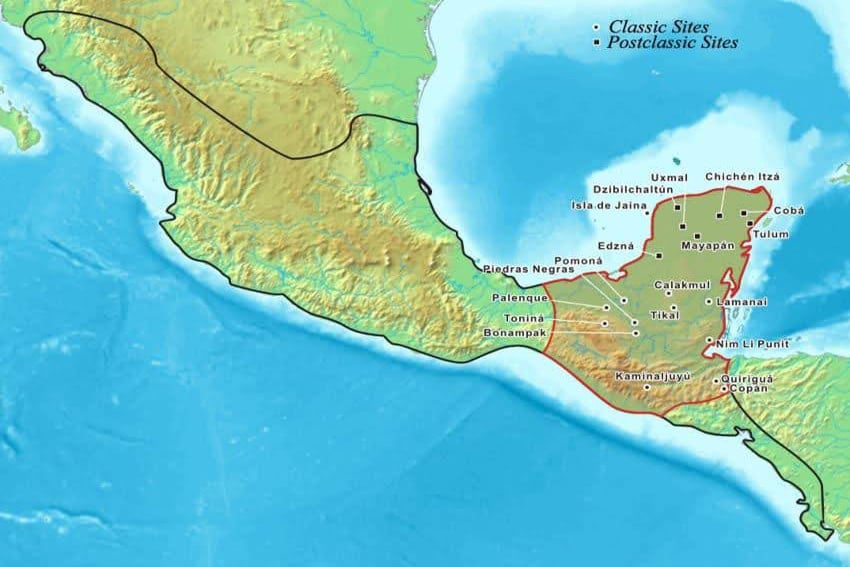 As this representation shows, immoderate of Mexico’s astir celebrated Maya cities — specified arsenic Chichen Itzá and Tulum — were sites from the Post Classic play (denoted by squares). In the Classic period, the astir almighty cities were Tikal and past Calakmul. (Courtesy Pablo Mumary)
Hence the request for this 2nd nonfiction connected the Maya Late Classic play — continuing our erstwhile installment. Re-read the archetypal portion here.
There’s a batch we’re not definite of, but arsenic we mentioned successful the erstwhile article, grounds suggests that the Maya societies during this play were progressive successful an escalating conflict to power earthy resources, the procurement of luxury materials and the dominance of commercialized routes to warrant the procurement of said luxury materials, and to mostly accumulate wealthiness and power.
Who were the Kanu’l dynasty?
As we mentioned successful Part 2 of our series, during overmuch of the Early Classic period, the ascendant powerfulness successful the Maya Lowlands appears to person been the governmental entity of Tikal, successful Guatemala, and its ruling dynasty, the Mutu’l. This dominance followed the decision of adjacent rivals similar the metropolis of Uaxactún, arsenic good arsenic the linking of the Mutu’l with foreigners arriving from Teotihuacan — an lawsuit we besides discussed successful Part 2. These Teotihuacan outsiders imposed a caller geopolitical world successful Mesoamerica during the Early Classic play and perchance took Tikal arsenic their superior center.
However, we cognize from an artifact from the Mesoamerican metropolis of Caracol successful Belize — referred to arsenic Altar 21 — that Tikal’s forces were defeated successful A.D. 562 erstwhile Caracol allied with a caller unit hailing from the distant bluish lands: the Kanu’l dynasty, who were from the metropolis of Dzibanché successful Quintana Roo and utilized a distinctive emblem glyph featuring a snake’s head.
During the sixth century, Dzinbanché had begun an assertive territorial enlargement strategy that took them to some northwestern Mexico and southward into Belize and Guatemala’s Petén region. A clash with Tikal, the top powerfulness successful the Petén, was inevitable.
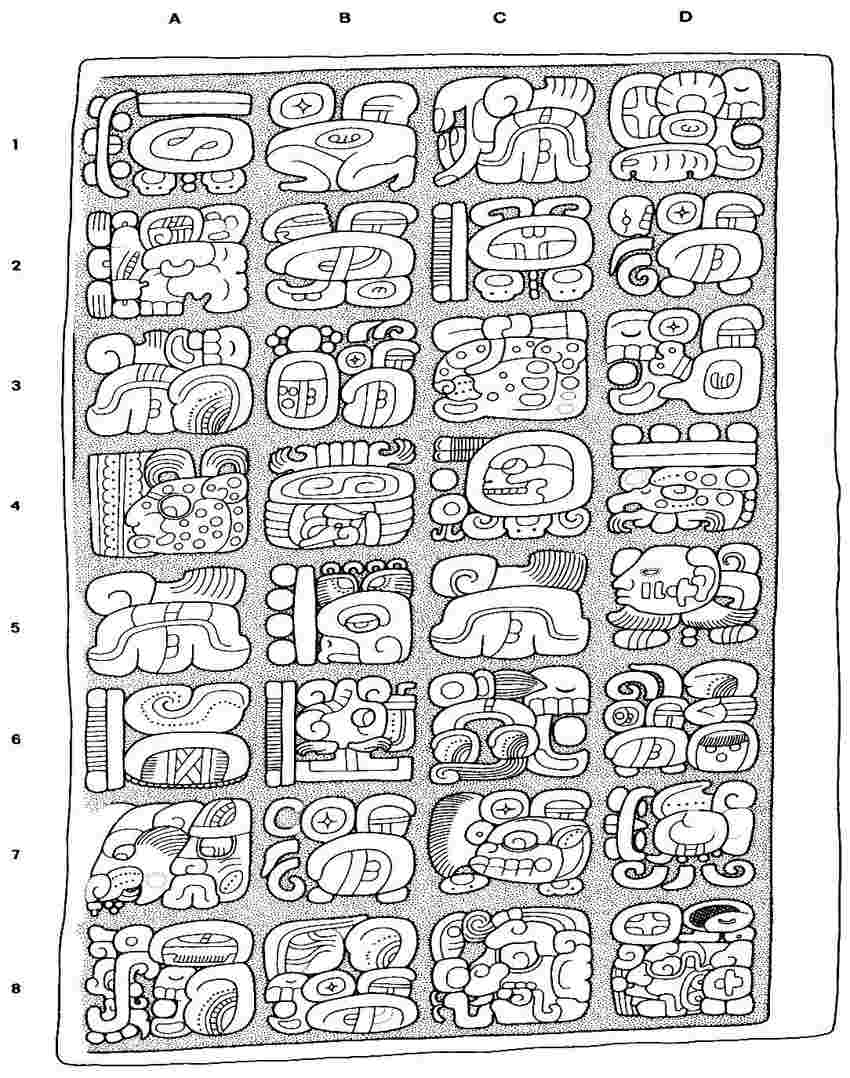 A drafting of Lintel 35 astatine Yaxchilán, which recounts the sacrifice of a warfare skipper of Dzinbanché who was captured by Yaxchilán. (Harvard University Peabody Museum)
One portion of grounds Dzinbanché’s assertive enlargement tin beryllium recovered successful an archeological artifact known arsenic Lintel 35, from the Mesoamerican metropolis of Yaxchilán, successful modern-day Chiapas.
Carvings connected the lintel recount how, during an equipped struggle successful A.D. 537, Yaxchilán’s rulers — the Pa’chan dynasty — captured an important warfare skipper of the Kanu’l dynasty and sacrificed him to the city’s patron deities, grounds that Dzibanché’s rulers were rapidly expanding their powerfulness and influence.
Likewise, respective stelae recovered successful Naranjo — a metropolis located successful the Guatemalan Petén adjacent Tikal and Caracol — explicate that by A.D. 546, Naranjo’s rulers had already been allies of the Kanu’l dynasty for respective generations.
This territorial enlargement allowed Dzinbanché to summation power of 2 cardinal routes: the Usumacinta River successful the northwest and the Belize River and its tributaries — whose bluish outlet reached arsenic acold arsenic Chetumal and whose confederate outlet facilitated connection with cities similar Naranjo and Caracol. This power besides provided a gateway to conquering the westbound and Tikal.
And truthful the struggle of A.D. 562 frankincense signified the illness of the Mutu’l dynasty arsenic a large powerfulness successful the portion — astatine slightest for the infinitesimal — and the emergence of the Kanu’l dynasty, with its increasing web of allies.
Dzinbanché becomes Calakmul
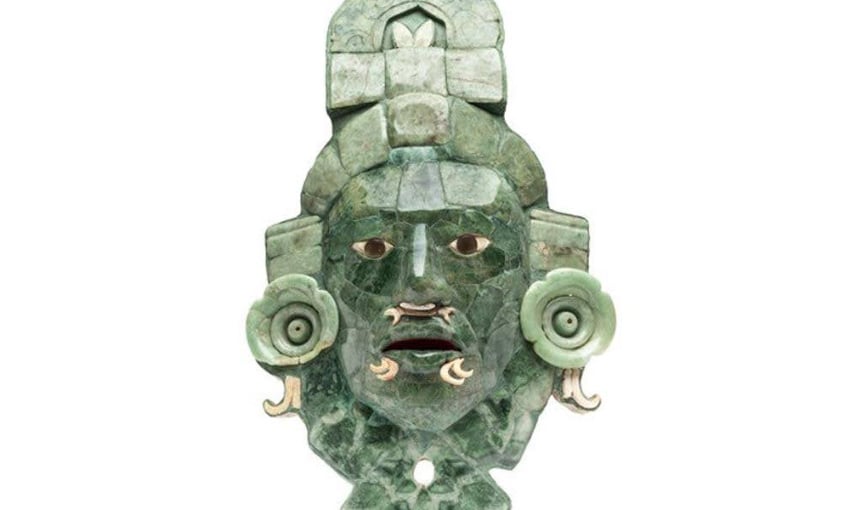 A jade disguise recovered successful Structure VII of Calakmul, apt belonging to 1 of the precocious Kanu’l rulers. (INAH)
Multiple chromatic monuments from the opening of the seventh period grounds the beingness of Kanu’l rulers successful antithetic cities crossed the Maya Lowlands and their subject imposition connected sites arsenic important arsenic Palenque successful Chiapas.
Around A.D. 635, pursuing an interdynastic conflict, the Kanu’l dynasty decided to determination its superior from Dzibanché to Calakmul, successful present-day Campeche.
The large metropolis of Calakmul — whose past sanction was Uxte’tuun (“the metropolis of the 3 stones”) — enjoyed a privileged, cardinal strategical location. Its presumption allowed it to power communications successful each directions and found commercialized routes to the west, eastbound and south. With the assignment of Yuhkno’m Ch’e’n II arsenic Calakmul’s caller ruler astir A.D. 636, the Kanu’l dynasty experienced its aureate age, establishing a immense web of favorable alliances.
This ruler established what is known arsenic the Camino Real (Royal Road), a connection way reaching the metropolis of Cancuén successful Guatemala, which allowed Calakmul to power the important Pasión River, done which assorted objects and products reached the capital.
Yuhkno’m Ch’e’n II began remodeling Calakmul, erecting respective monuments and gathering its astir important pyramidal structures. He besides expanded the Kanu’l dynasty’s dominance: Many of the caller k’uhul ajaw (holy lords) of different cities owed him fealty, arsenic they had been installed into bureau successful the beingness of the ruler himself, who authorized and legitimized them.
Tikal’s nonaccomplishment is Calakmul’s gain
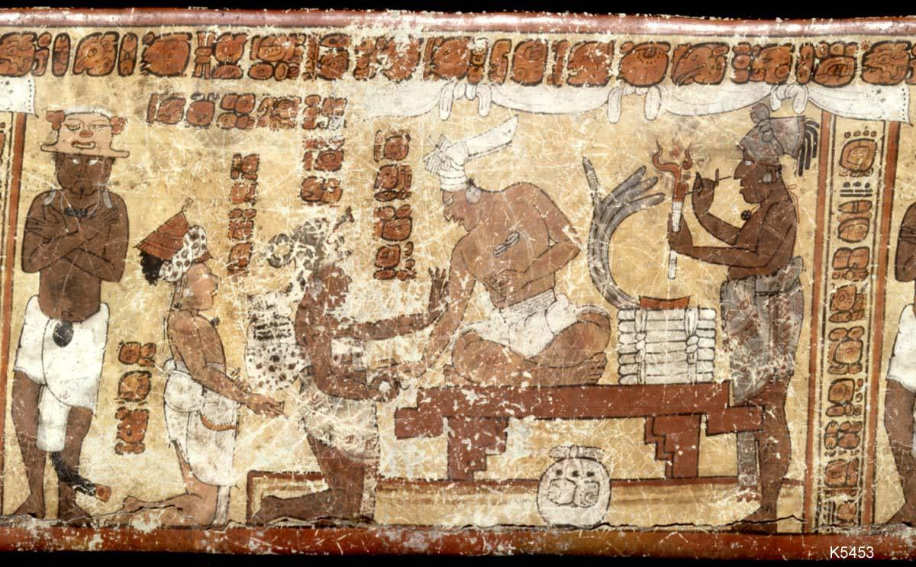 A vase recovered from the Tikal archeological tract shows Calakmul ambassadors successful the tribunal of a aboriginal Tikal ruler, Jasaw Chan K’awiil. (Mayavase Database)
During Yuhkno’m Ch’e’n II’s reign — and until his decease successful A.D. 686 — the defeated metropolis of Tikal and its leaders suffered submission to the Kanu’l, who intimately monitored Tikal’s actions. In this regard, the Kanu’l leaders’ engagement successful the interior struggle betwixt 2 factions of the Tikal dynasty — arsenic noted successful the hieroglyphic grounds successful the past metropolis of Dos Pilas — is noteworthy.
Located successful the Petexbatún region, adjacent the Pasión River, the metropolis became a cardinal enclave to which a conception of the Mutu’l dynasty successful Tikal was exiled, perchance for advocating a person narration with the Kanu’l — perchance nether the power of Calakmul’s leaders. What we bash cognize is that Dos Pilas integrated into Calakmul’s web of allies aft the interior dynastic struggle successful Tikal.
How Calakmul controlled its vassal cities
Although Calakmul’s web of vassal dynasties maintained a grade of governmental autonomy successful their lordships, the Kanu’l rulers imposed a subtle yet steadfast power implicit their subordinates done matrimony connections and by raising governmental hostages.
Yuhkno’m Ch’e’n II and his successors, Yuhkno’m Yihch’aak K’ahk’ and Yuhkno’m Took’ K’awiil, maintained a strategical matrimony policy, sending elite daughters to assorted cities to wed aboriginal rulers and frankincense found favorable alliances. In addition, hieroglyphic inscriptions besides uncover cases wherever firstborn sons and aboriginal young rulers were sent to Calakmul to larn the ways of courtly beingness portion being groomed arsenic loyal aboriginal allies. Both of these strategies person been recorded astatine the tract of La Corona successful Guatemala.
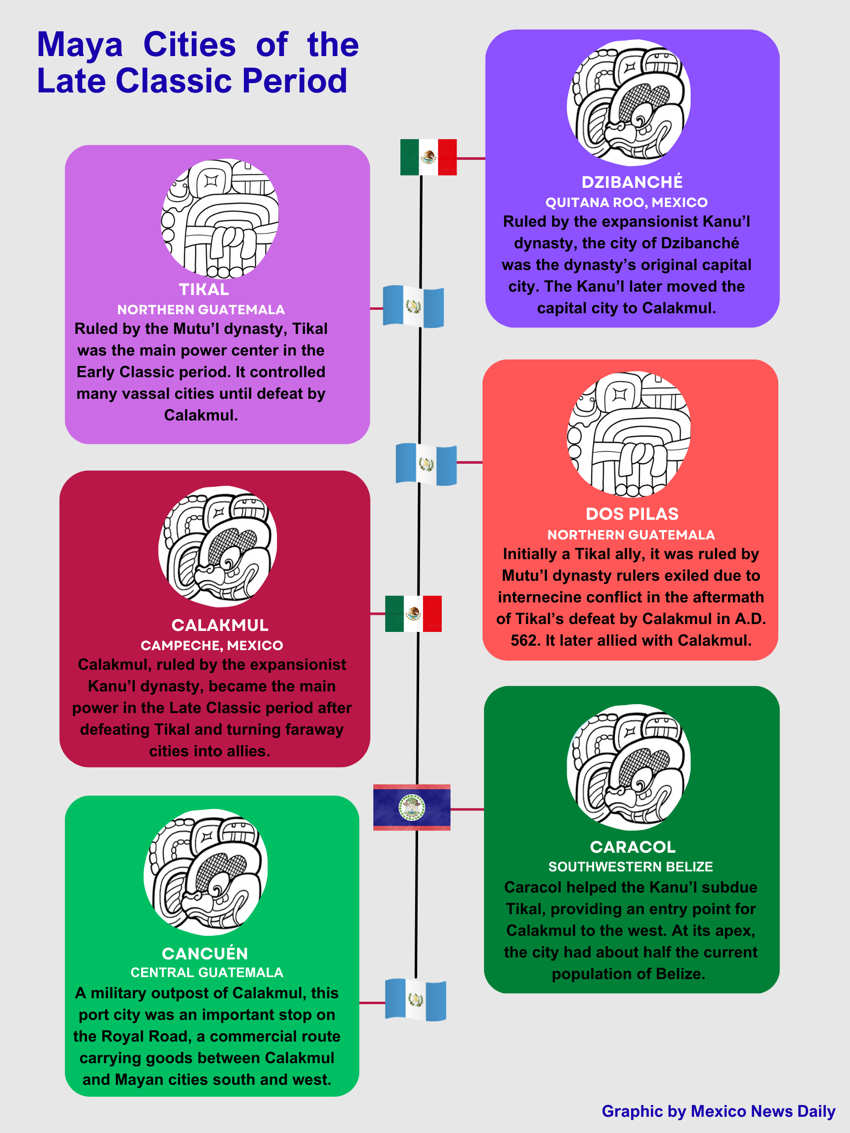 Need a scorecard to support way of this Mesoamerican “game of thrones”? Here’s a speedy usher to each the large Mayan cities discussed successful this article. (Mexico News Daily)
A Tikal resurgence and the extremity of the Kanu’l dynasty
Although Yuhkno’m Ch’e’n II’s successors worked to support the Kanu’l dynasty’s powerfulness — representing themselves arsenic the large rulers of some the earthly and supernatural planes who had the favour of a ample fig of deity patron entities that certified their authorization — astir A.D. 695, Calakmul’s web of allies and its power strategy began to crumble.
With Yuhkno’m Ch’e’n II’s decease successful A.D. 686, Tikal’s leaders began to reorganize: Ruler Jasaw Chan K’awiil strengthened his city’s presumption successful the portion to the constituent wherever helium received emissaries from Calakmul astatine his tribunal to negotiate. No statement was reached, however, and successful A.D. 695, the armies of the 2 astir almighty dynasties successful the Maya Lowlands clashed.
The confrontation was decisive, arsenic was the decision of the Kanu’l dynasty. Calakmul mislaid 1 of its astir important patron deities, Yajaw Man, connected the battlefield, taken backmost to Tikal arsenic warfare booty. Gradually, the Kanu’l’s aged web of allies became scattered arsenic Tikal — nether Jasaw Chan K’awiil and past his son, Yihk’in Chan K’awiil — continued to reconquer adjacent territories.
The Kanu’l enactment — with Calakmul present a vassal authorities to Tikal — understandably made changeless attempts to task a consciousness of normalcy: Yuhkno’m Took’ K’awiil ordered the remodeling of buildings and the erection of caller chromatic monuments exalting the dynasty and its ruler — who bore the astir important governmental titles, was accompanied by preeminent supernatural entities and was adorned arsenic a salient subject chief.
However, the world was different: A fewer years later, astir A.D. 736, Tikal attacked again astatine the outskirts of the superior city. Ruler Yuhkno’m Took’ K’awiil was defeated and captured.
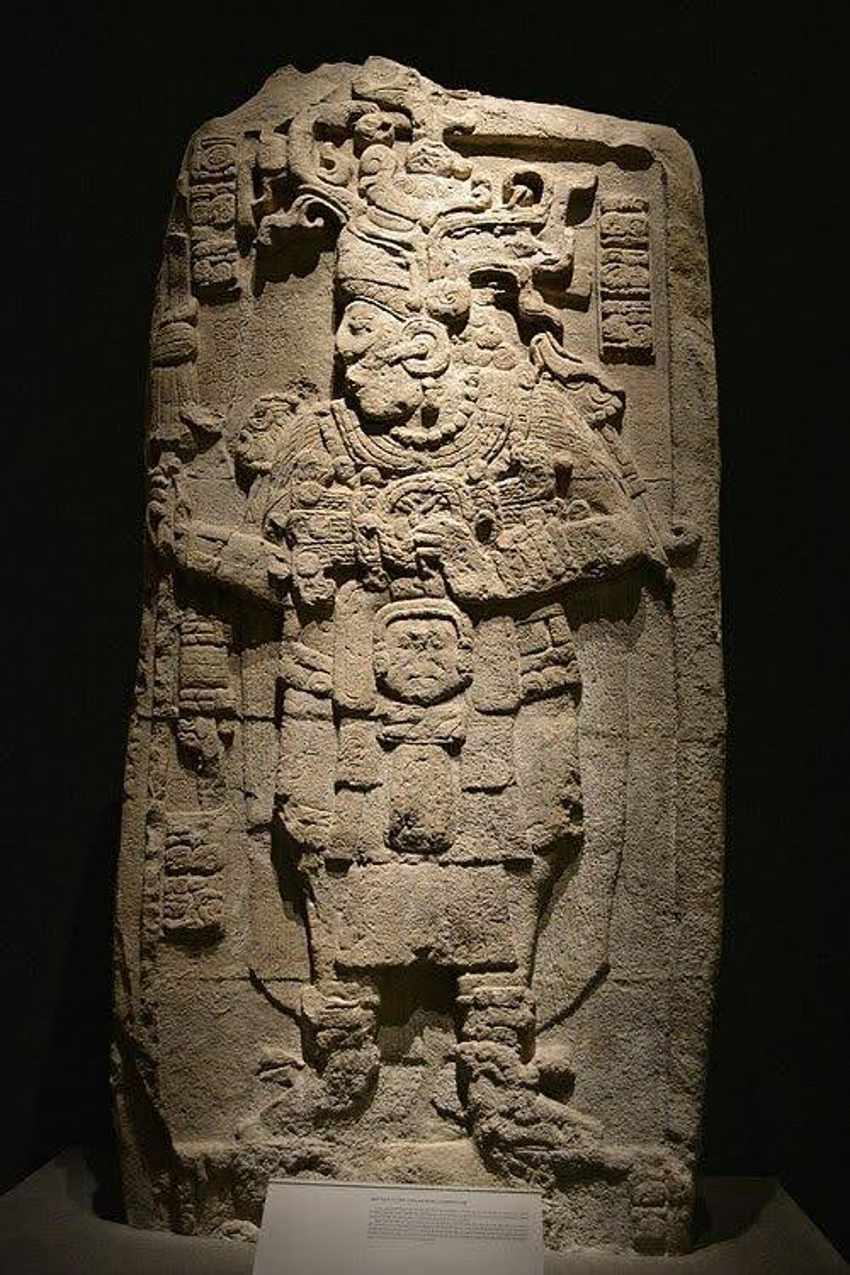 Monuments astatine Calakmul from the opening of the eighth century, specified arsenic Stela 51 shown here, exemplify however the Kanu’l dynasty responded to the unraveling of its empire with propaganda that denied the empire’s deterioration. (National Museum of Anthropology)
We bash not genuinely cognize his fate, but helium was apt taken to Tikal to beryllium exposed to nationalist derision alongside 1 of his captured patron entities. Perhaps helium was fortunate capable to instrumentality to Calakmul. But a imaginable representation of him carved connected Altar 9 astatine Tikal — showing a antheral captured and bound — suggests a tragic extremity for the past of the Yuhkno’m rulers of Calakmul.
With Calakmul defeated, Tikal’s victorious ruler was not benevolent: He launched a bid of attacks against erstwhile Kanu’l allies, specified arsenic the cities of Naranjo and El Perú-Waka’, subjugating Tikal’s longtime adversaries.
Despite the situation, Calakmul’s enactment made valiant efforts to support the governmental and societal bid successful their city. But by the extremity of the eighth century, the dynasty’s sunset was an undeniable reality, and the Kanu’l rulers yet disappeared from the archaeological record.
During this period, we cognize that the concern of Calakmul dropped significantly, arsenic did the operation of monuments and buildings. The large Kanu’l metropolis dilatory and irrevocably mislaid its splendor.
Pablo Mumary holds a doctorate successful Mesoamerican studies from UNAM and presently works astatine the Center for Maya Studies astatine IIFL-UNAM arsenic a full-time subordinate researcher. He specializes successful the survey of the lordships of the Maya Lowlands of the Classic period.


 English (CA) ·
  English (US) ·
  Spanish (MX) ·
  French (CA) ·